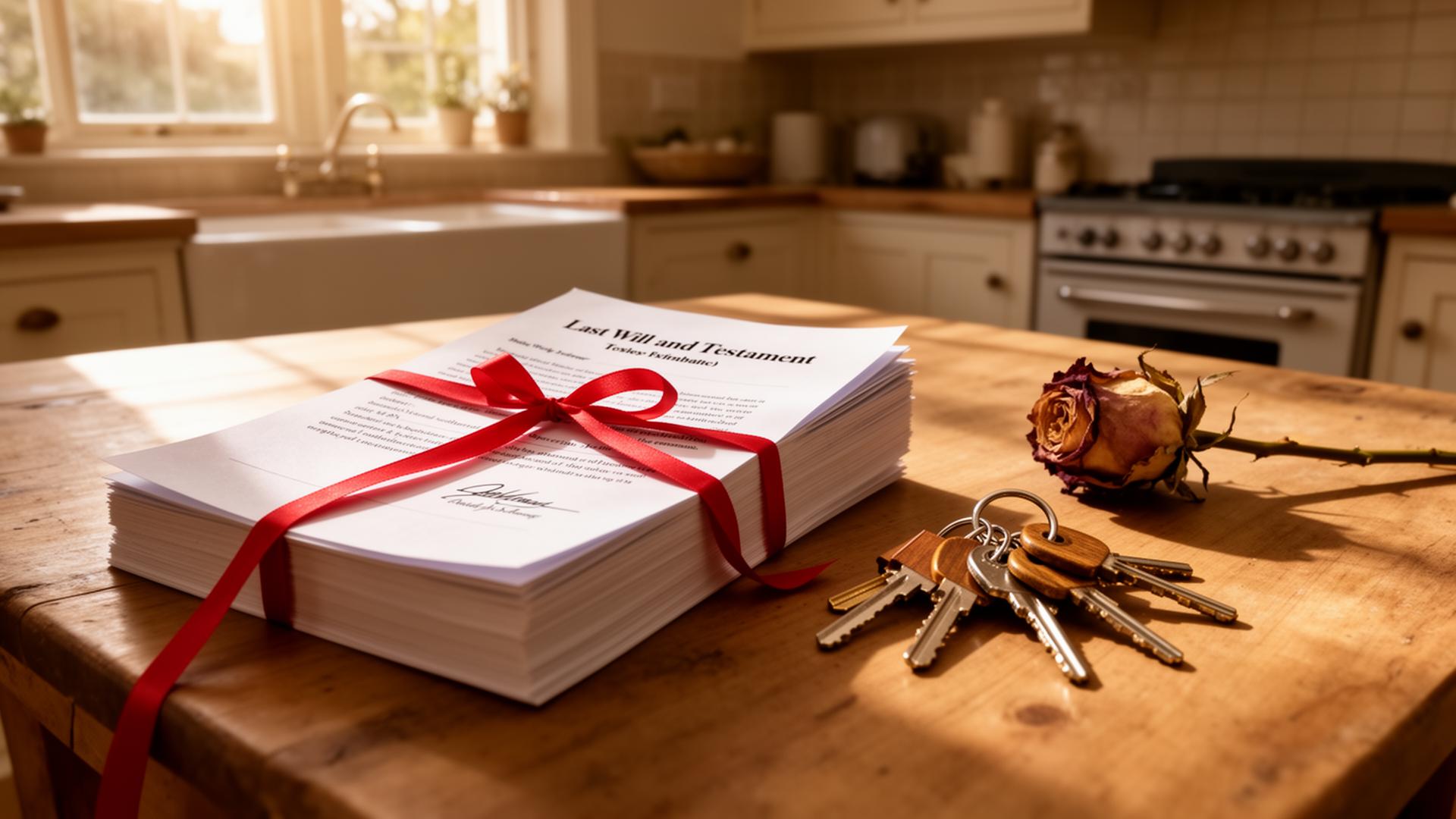
Property trusts, asset protection schemes, and care fee avoidance arrangements are sold to people at their most trusting: trying to provide for the people they love. Many of these products do not work. Some were never going to work. And the people who sold them were often aware of that.
What estate planning mis-selling looks like
A common type of arrangement involves placing your property into a trust, with the assurance that it will be protected from care home fee assessments or that it will reduce inheritance tax liability for your family. These products are sold by financial advisers, estate planning companies, will writing firms, and sometimes solicitors directly. They are often presented at seminars or through referral networks as straightforward, reliable solutions to a problem most older people understandably worry about.
The problem is that many of these arrangements do not achieve what they claim. Local authorities have well-established rules around deliberate deprivation of assets, and HMRC has its own set of rules that apply to trust arrangements. Placing your home into a trust does not automatically remove it from a financial assessment for care costs. In fact, if the local authority concludes the primary purpose of the transfer was to avoid care fees, it can treat the property as still belonging to you regardless of the legal structure.
In many cases the arrangement provides no real protection at all. That is something the person selling it should have told you before you signed anything.
What the adviser or solicitor should have told you
Anyone arranging this type of trust had a professional duty to give you an honest and balanced picture of what it could and could not do. The advice should have covered the deliberate deprivation rules clearly. It should have included an honest assessment of the likelihood of the arrangement being challenged by a local authority. And it should have given you a realistic view of what level of protection, if any, the arrangement genuinely provided.
If you were told the arrangement would definitely protect your assets, if the risks and limitations were glossed over or not mentioned, or if the product was presented as a simple and certain solution, the advice you received fell below the required professional standard.
The cost goes beyond the fees you paid
When these arrangements fail, the impact on families can be significant. People have paid thousands of pounds for documentation that provides no real protection, only to find when care costs arrive that the arrangement makes no difference to the assessment. In some cases a poorly drafted trust creates complications in the estate that take significant legal work to resolve. And the emotional cost, when someone discovers that the protection they thought they had put in place for their family simply does not exist, is harder to quantify but very real.
The loss is not just the fee paid at the time. It is the loss of the protection the person was paying for. That is a recoverable loss if the advice was negligent.
What a claim involves
A professional negligence claim in this area requires demonstrating that the advice fell below the standard a competent professional should have provided, and that the failure caused a financial loss. Sold Short reviews estate planning cases to assess whether those elements are present. If they are, we connect you with a specialist solicitor who takes the case on no win no fee. There is no upfront cost and no financial risk to you if the case does not succeed.
Sold Short reviews estate planning cases where the protection sold to you failed to deliver. Free review. No win no fee.