
If you found out your business energy broker was secretly paid to inflate your rates, you had every right to pursue a claim. If the solicitor you trusted to do that let you down, you may still have options. Here is how to assess your position.
How the overcharging worked
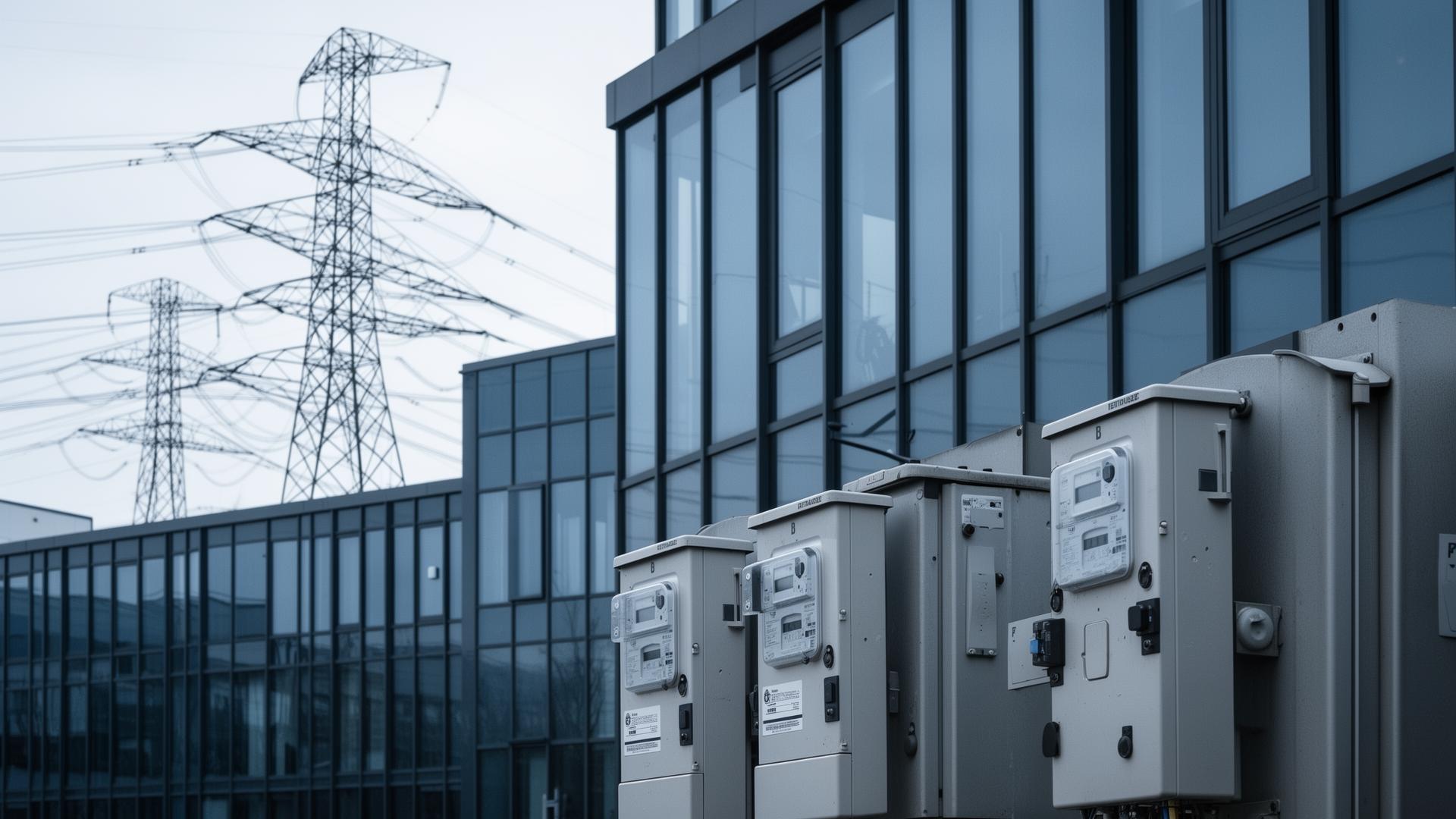
Business energy brokers were not legally required to disclose the commissions they received from suppliers. Many operated on a model where they could directly influence the rate quoted to the customer. The higher the rate, the more money the broker made. The arrangement was invisible to the customer, and because the broker presented themselves as acting in the client's interest, there was no obvious reason to be suspicious.
This practice was widespread across the industry for years. When it came to light, many business owners were understandably angry. Some went directly to their energy supplier. Others sought legal advice. Those who instructed solicitors were entitled to expect those solicitors to handle the matter competently, keep them informed, and pursue the case within the relevant legal deadlines. For many businesses, that did not happen.
What went wrong
Not every solicitor who took on these cases handled them properly. Some failed to advise clients clearly on what the process involved or what a realistic outcome looked like. Some went quiet, providing minimal updates and leaving business owners in the dark about whether anything was actually being done. And in a significant number of cases, solicitors allowed the limitation period to expire without issuing proceedings, permanently ending any prospect of recovery.
When the deadline passes, the original claim is gone. There is no appeal, no extension, no workaround. The business owner who instructed a solicitor in good faith and waited for a result ends up with nothing. The money they were overcharged on their energy bills stays with the supplier and broker. The solicitor who failed them moves on to the next file.
The two questions that matter
The first question is whether the original mis-selling claim had genuine merit. Given how widespread undisclosed commission arrangements were, and given how clearly the courts have recognised this as a valid basis for recovery, most business energy cases do have merit. The overcharging happened. The right to claim existed.
The second question is whether the solicitor's failure to pursue that claim properly caused the business to lose what it was entitled to. If proceedings were never issued, or if they were issued too late, and if the reason for that failure sits with the solicitor rather than with the client, you have the basis for a professional negligence claim.
What no win no fee means in practice
The no win no fee arrangement used by Sold Short's panel solicitors means that there is no upfront cost and no financial exposure if the case does not succeed. You are not being asked to take on financial risk to pursue a solicitor for their failure. The arrangement exists precisely because it would be unjust to require that of someone who has already been let down once.
A free review with Sold Short is the starting point. You explain what happened. We assess whether the two questions above can be answered in your favour. If they can, we match you with a specialist professional negligence solicitor who takes it from there.
Sold Short reviews business energy claims where solicitors failed to deliver. Free review. No win no fee.