
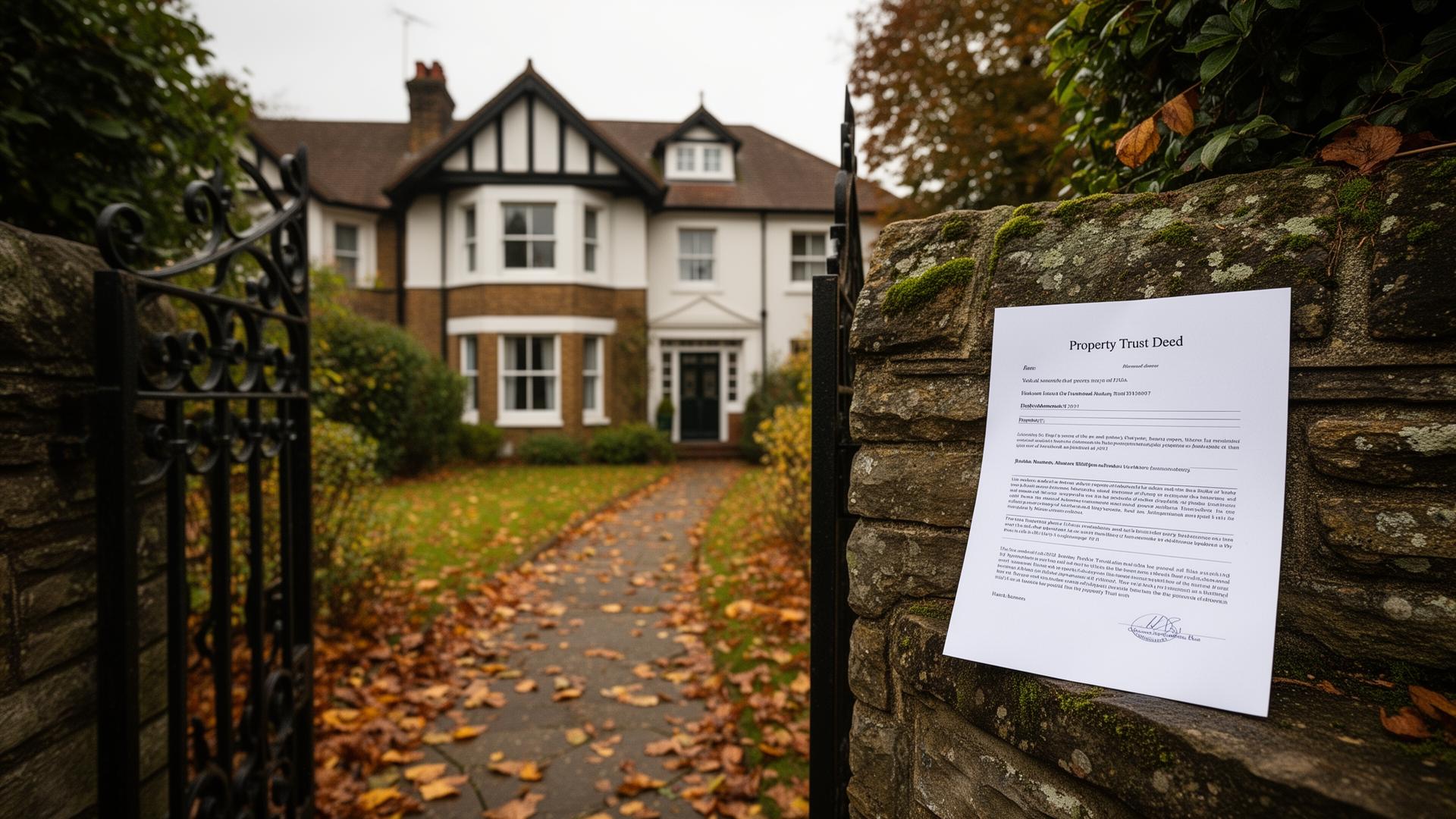
The idea sounds straightforward: put your house in a trust, and it no longer counts toward care home fee assessments. The reality is considerably more complicated, and many people have paid for arrangements that offer no meaningful protection at all.
How local authorities assess care costs
When someone requires residential care, the local authority carries out a financial assessment to determine how much the individual must contribute toward the cost. Assets above a certain threshold are included in that assessment. The family home is included in most circumstances, unless there are specific exemptions that apply, such as a spouse or dependent relative still living there.
The rules include provisions specifically designed to prevent people from artificially reducing their assets in order to avoid the assessment. This is known as deliberate deprivation of assets. If a local authority determines that an asset was transferred with the purpose of avoiding or reducing care costs, it has the power to treat that asset as still belonging to the person, regardless of the legal ownership. The assessment proceeds as if the transfer had not happened.
A property placed into a trust shortly before entering care, or arranged primarily to reduce the value of the estate for assessment purposes, is precisely the kind of transaction local authorities are trained to identify and challenge. The trust structure does not protect you from that scrutiny. It invites it.
What the solicitor or adviser should have told you
Anyone arranging a property trust as an estate planning measure had a professional duty to give you an honest picture of what it could realistically achieve. The advice should have explained the deliberate deprivation rules in plain terms. It should have been honest about the likelihood of the local authority examining the arrangement and potentially looking through it. And it should have set out clearly what level of protection, if any, the trust actually offered given those rules.
Instead, many people were told that the trust would protect their home from care fees, that local authorities could not touch it, or that the arrangement was a proven and reliable method of asset protection. This was not accurate. And in many cases the people delivering that advice knew it was not accurate.
If the advice you received was built around the idea that the trust would work, without any honest discussion of the deliberate deprivation rules or the real risk of challenge, it did not meet the professional standard required.
It is not too late to review what happened
If you arranged a property trust and are now facing care costs that the arrangement has done nothing to protect against, it is worth reviewing the advice that was given at the time. The same applies if you arranged a trust on behalf of a parent or other family member who has since died, and the estate is now dealing with the consequences.
The question is whether the advice was presented honestly and whether the professional involved met the standard they were required to meet. A free review with Sold Short will help establish whether a viable claim exists. If it does, the case is taken forward by a specialist solicitor on a no win no fee basis.
Sold Short reviews estate planning cases where the protection sold to you failed to deliver. Free review. No win no fee.